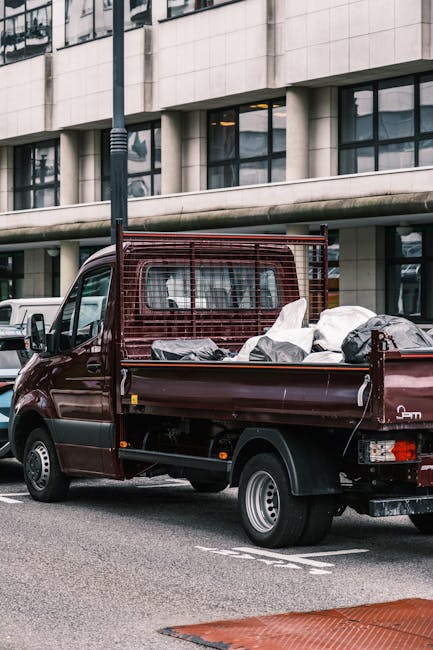
Rubbish removal for flat clearances near Vauxhall Station: a practical guide for stress-free clearance
If you are dealing with a flat clearance near Vauxhall Station, chances are you want the job done quickly, carefully, and without turning your hallway into an obstacle course. That is exactly where rubbish removal for flat clearances near Vauxhall Station comes in. Whether you are clearing a one-bed rental, helping a relative downsize, or emptying a property between tenancies, the details matter: stairs, parking, access, neighbours, and the sheer awkwardness of moving bulky items through a busy London building. A good clearance plan saves time, reduces disruption, and helps you avoid those little mistakes that become big headaches later.
In this guide, we will walk through how flat clearance rubbish removal works, what to expect, who it suits, what to watch out for, and how to make the whole process smoother. Let's face it, nobody enjoys dragging an old wardrobe down three flights of stairs at 7:30 on a weekday.
Table of Contents
- Why rubbish removal for flat clearances near Vauxhall Station matters
- How rubbish removal for flat clearances near Vauxhall Station works
- Key benefits and practical advantages
- Who this is for and when it makes sense
- Step-by-step guidance
- Expert tips for better results
- Common mistakes to avoid
- Tools, resources and recommendations
- Law, compliance, standards, and best practice
- Options, methods, and comparison table
- Case study or real-world example
- Practical checklist
- Conclusion
- Frequently asked questions
Why rubbish removal for flat clearances near Vauxhall Station matters
Flat clearance is not just about getting rid of unwanted items. It is about restoring a space so it can be lived in, rented out, sold, or handed back in decent condition. Near Vauxhall Station, that matters even more because the area is busy, access can be tight, and many flats sit in buildings where lifts are shared, parking is limited, and neighbours are very much close by. You notice the difference straight away when a clearance is handled properly: fewer trips through common areas, less noise, less mess, and a much calmer day overall.
There is also the practical reality of what builds up in flats. Sofas, wardrobes, mattresses, old appliances, broken shelving, bags of mixed rubbish, and forgotten boxes from the back of a cupboard can create a lot more volume than people expect. A single room that looks manageable can suddenly become a full van load once everything is sorted. That is why local knowledge is useful. Anyone organising clearance work near Vauxhall Station needs to think beyond the room itself and consider how the waste leaves the building, where it is temporarily staged, and what happens if access is awkward.
Another reason it matters is timing. Tenancy changes, probate situations, renovations, and end-of-lease handovers often come with hard deadlines. If you miss the window, you may face extra costs or delays. A reliable clearance plan is not a luxury in that setting. It is part of staying in control.
Expert summary: the best flat clearance jobs near Vauxhall Station are not just fast; they are organised, respectful of the building, and planned around real access issues rather than assumptions.
How rubbish removal for flat clearances near Vauxhall Station works
In simple terms, the process usually starts with assessing what needs to go. That may happen by phone, email, photos, or an on-site visit depending on how complex the clearance is. A smaller flat with a few bulky items might be straightforward. A larger property filled from room to room, or one with mixed waste and reusable furniture, needs a more careful approach.
Once the scope is clear, the next step is planning the collection. For flats, the important bits are access, load-out route, parking, lift use, and whether anything needs disassembly first. A wardrobe that fits in a room does not always behave nicely on a stairwell corner. Funny how that works. Good teams think ahead so they are not improvising in the middle of the job.
On the day, the crew typically arrives with the right vehicle, loading equipment, protective gear, and a plan for separating items. Reusable or recyclable material should be kept apart where possible. The actual removal may be done in stages: bulky items first, loose bags and mixed waste next, then a final sweep of the flat to check for stray items. That last sweep matters more than people think. A charger in the back of a drawer, a key hidden under paper, or a photo album tucked into a cupboard can easily be missed when everyone is focused on the obvious clutter.
After collection, waste should be transported to the appropriate facility or transfer point, with recycling handled where possible. For you, the main outcome is a clear, usable flat and less stress. For the clearer, the job is only really finished when the space is left tidy and the route out of the building has been respected.
Key benefits and practical advantages
There are several reasons people choose professional rubbish removal for flat clearances near Vauxhall Station rather than trying to manage everything themselves. The first is speed. What might take you a whole weekend, several journeys, and a fair bit of frustration can often be handled much faster by a team with the right vehicle and experience.
Another major benefit is reduced physical strain. Flats often mean stairs, tight hallways, shared entrances, and heavy lifting in confined spaces. Anyone who has tried moving a divan base through a narrow turn knows how quickly enthusiasm disappears. Professional help reduces the chance of injury and cuts down the risk of damaging walls, flooring, or communal areas.
There is also the less obvious benefit of better sorting. A proper clearance service can separate furniture, appliances, cardboard, and general junk in a more disciplined way. That can support recycling and avoid the "just dump it all together" approach that is easy to fall into when you are tired and running out of time.
For landlords, letting agents, executors, and property managers, the advantage is consistency. A flat can be cleared to a deadline, photographed, and handed over in a much more predictable state. That keeps the next stage moving, whether that is cleaning, decorating, or marketing the property.
- Less disruption in the building and around neighbours
- Faster turnaround for moving, letting, or selling
- Lower physical risk and less lifting
- Better sorting of reusable and recyclable items
- Cleaner handover at the end of the job
If you are comparing services, it can also help to look at related options such as flat clearance, house clearance, and home clearance, since the right fit often depends on the size and layout of the property rather than the postcode alone.
Who this is for and when it makes sense
This service is useful for quite a wide range of people, and not only when a flat is completely full. Sometimes the need is modest but urgent. A few bulky pieces, a couple of broken appliances, bags of mixed waste after a tenancy clean-up, or furniture that simply will not sell on the second-hand market can be enough to justify a clearance visit.
It is especially helpful for:
- Tenants moving out who need the flat emptied quickly
- Landlords preparing a property for re-letting
- Estate executors managing a relative's home after a bereavement
- Homeowners downsizing to a smaller place
- Letting agents coordinating end-of-tenancy work
- People dealing with a cluttered flat that has become hard to use
It also makes sense when you are trying to avoid multiple waste runs. Near Vauxhall Station, that can mean battling traffic, parking restrictions, and the general rhythm of London life. If you have ever sat in a car wondering whether you can legally leave it for "just a minute" while hauling a mattress down from a fifth-floor flat, you already know the answer is probably no.
Some jobs are also more sensitive than others. A clearance after a long period of accumulation, for example, may require extra patience and a more considered approach. If the flat has sentimental items mixed in with rubbish, a careful sort can make all the difference. You do not want to find family photos in the last bag, after everything else has gone.
Step-by-step guidance
Here is a practical way to handle rubbish removal for flat clearances near Vauxhall Station without turning the day into chaos.
1. Walk through the flat and separate the obvious categories
Start with a quick survey of what is staying, what is going, and what needs a second look. Group items into furniture, appliances, general rubbish, recyclables, and anything potentially valuable or sensitive. A rough sort at the beginning saves a lot of confusion later.
2. Check the access route
Look at the entrance, hallway, lift, stairwell, and parking situation. Note whether there are narrow turns, low ceilings, shared entrances, or restricted loading points. In flats, the building itself can matter as much as the rubbish.
3. Flag heavy or awkward items early
Wardrobes, beds, white goods, and old desks can need disassembly or additional handling. If an item is too bulky to move safely, say so early. That is much better than discovering it half-way down the stairs.
4. Decide what can be reused, recycled, or disposed of
Not everything needs to be treated the same. Some furniture may be suitable for reuse, while broken items or mixed waste may need disposal. If the service offers more sustainable handling, it is worth asking how that works in practice.
5. Prepare the flat for collection
Clear small pathways where possible, remove valuables, and make sure the team can reach the items easily. If you are the tenant or owner, keep keys, access codes, or building instructions ready. Small thing, big difference.
6. Confirm timing and expectations
Agree on arrival time, estimated duration, what the job includes, and whether tidying is part of the service. A clear agreement avoids surprises. That is one of those boring but brilliant steps.
7. Do a final check once everything is removed
Look in cupboards, behind doors, under beds, and on shelves. It is amazing how often one last bag appears out of nowhere. Truth be told, every flat has a "where did that come from?" moment.
Expert tips for better results
After enough clearance jobs, certain patterns show up again and again. The first tip is simple: photograph the space before you start. This helps with record-keeping, end-of-tenancy disputes, probate administration, or just peace of mind. It also makes it easier to compare the flat before and after, which can be oddly satisfying on a tired afternoon.
Second, do not underestimate packaging waste. Cardboard boxes, bubble wrap, broken hangers, and loose plastic can fill a surprising amount of space. If you are already arranging a clearance, it often makes sense to include these smaller items instead of leaving them behind for later. Later rarely comes, does it?
Third, if the flat has items that may be sensitive or personal, make sure they are removed separately. That could include paper files, post, bank statements, old phones, or memory sticks. A clearance is not the same as a blind sweep; a little care now can prevent a nuisance later.
Fourth, if you are trying to reduce cost, try to bundle items logically. A well-prepared flat can be cleared more efficiently than a property where everything is scattered and no one knows what is going where. Efficiency matters, especially in London where time and access are both precious.
Finally, be realistic about what needs specialist handling. Some items belong in separate services, such as fridge and appliance removal, mattress and sofa disposal, or hazardous waste disposal. Mixing the lot and hoping for the best is not a plan. It is a gamble.
For background reading on related topics, you may also find these useful: furniture clearance, furniture disposal, and recycling and sustainability.
Common mistakes to avoid
The most common mistake is assuming a flat clearance is the same as clearing a house with easier access. It is often the opposite. Flats bring more constraints, especially around stairs, lifts, loading, and neighbours. If you ignore those early, the job becomes slower and messier than it needs to be.
Another frequent problem is underestimating volume. A few large items may look manageable, but once you add cushions, bags, drawers, broken bits, and leftover packaging, the load grows quickly. That is why a proper assessment matters. A tiny-looking pile can become a van-filling headache very fast.
People also sometimes forget building rules. Some blocks have rules about lift use, quiet hours, parking, or access. If the clearance team turns up and cannot use the obvious route, the whole day can be thrown off. Nobody wants that awkward conversation by the front door while other residents are trying to get past with shopping bags.
Do not leave sorting until the end. A last-minute sweep is useful, but if every item is mixed together in bags and boxes from the start, you are making the job harder for everyone. Separate what you can before the team arrives.
Finally, be careful about choosing the cheapest option without understanding what is included. Some quotes may look attractive until extras appear for stairs, bulky items, or access delays. A fair quote is clearer than a low one that grows teeth later. There, said plainly.
Tools, resources and recommendations
You do not need a garage full of equipment to prepare for a clearance, but a few simple tools can make the process much smoother.
- Strong bin bags or rubble sacks: useful for loose rubbish, soft items, and smaller mixed waste.
- Marker labels: good for tagging items to keep, donate, recycle, or remove.
- Gloves and sturdy shoes: basic protection for anyone helping with sorting.
- Tape measure: helpful when checking whether furniture will fit through corridors or lifts.
- Phone camera: useful for before-and-after photos and quick item lists.
- Cleaning cloths or wipes: handy for a final tidy once the larger items are out.
On the planning side, it helps to review service pages that match the kind of waste you have. If you have a mixed flat clearance, the main waste removal service may be the best starting point. If you are dealing with larger furniture, the dedicated flat clearance and furniture disposal pages are especially relevant. If the job is being organised alongside other work, such as building refurbishments, builders waste clearance may also be worth checking.
For people who like to plan well in advance, a written list is still one of the best tools there is. Old-fashioned? Maybe. Effective? Absolutely.
Law, compliance, standards, and best practice
Any rubbish removal job in London should be handled with proper care, especially when it comes to safe lifting, responsible disposal, and respecting building access. You do not need to become an expert in waste management overnight, but it does help to know the basics.
At a practical level, waste should be handled by people who understand how to sort it, transport it, and dispose of it without creating problems for residents or the environment. Reputable services should also be able to explain how they approach recycling, what happens to bulky items, and how they manage items that require special handling. If a provider cannot explain that plainly, that is a warning sign.
Safety matters too. Flats involve stairs, lifts, tight corners, and sometimes awkward furniture. Good practice means protecting walls, communal spaces, and the people doing the lifting. Insurance and safety procedures are worth asking about, particularly if the clearance is in a building with shared access or more delicate interiors.
There are also privacy considerations. Old paperwork, personal records, and storage boxes may contain information that should not be exposed. If confidential documents are mixed into the load, they should be separated and handled appropriately, not just tossed in with general waste.
If you want to understand how a professional operator approaches these matters, it can help to review pages such as health and safety policy, insurance and safety, confidential shredding, and terms and conditions. Those pages give useful context for how a service is structured and what standards it tries to maintain.
Options, methods, and comparison table
There is more than one way to clear a flat. The right choice depends on time, access, volume, and how hands-on you want to be. Below is a simple comparison of common approaches.
| Method | Best for | Pros | Trade-offs |
|---|---|---|---|
| DIY trips to the tip | Very small loads and flexible schedules | Can feel cheap at first; complete control | Time-consuming, physically demanding, parking and loading can be awkward |
| Skip hire | Longer projects with steady waste output | Useful for ongoing clear-outs | Space needs, permit considerations, not ideal for tight flat access |
| Man and van style rubbish removal | Bulky items and mixed flat waste | Fast, flexible, less lifting for you | Needs clear communication on what is included |
| Full flat clearance service | End-of-tenancy, probate, downsizing, or major clear-outs | Most convenient, more comprehensive, suited to tricky access | Usually costs more than removing a couple of items yourself |
For many flats near Vauxhall Station, the man-and-van or full clearance route is simply the most practical. Streets can be busy, buildings can be awkward, and time is often tight. A skip can work in the right situation, but it is not always the neatest answer, especially where access is limited or parking is difficult. If you are weighing up alternatives, this skip alternative discussion may help you think it through in a more local context.
Case study or real-world example
Consider a typical one-bedroom flat near Vauxhall Station after a tenant move-out. The flat itself is not enormous, but the items have built up over time: a bed frame, mattress, an old sofa, a coffee table, two bookcases, several bags of mixed rubbish, and a collection of kitchen bits that never quite made it to recycling. Nothing dramatic, just the usual "we will deal with it later" pile.
The first challenge is the building. There is a shared entrance, a lift that is a little small for larger items, and a narrow landing that means the sofa needs turning at exactly the right angle. The second challenge is timing, because the letting agent wants the property ready for cleaning the next day. No pressure then.
In a case like this, the best result usually comes from a short pre-check and a well-organised load plan. Bulky items are removed first, smaller bags follow, and anything recyclable is separated where possible. The final walkthrough catches smaller pieces, forgotten cables, and the inevitable forgotten sock behind the door. Not glamorous, but useful.
The practical lesson is simple: even a modest flat clearance becomes much easier when access is thought through before the team arrives. The job feels calmer, the building stays tidier, and the flat is ready for the next step sooner.
Practical checklist
Use this checklist before booking or starting a flat clearance near Vauxhall Station.
- List everything that needs to be removed
- Separate items you want to keep, sell, donate, or dispose of
- Check whether any items need specialist handling
- Measure large furniture and note tight access points
- Confirm lift, stairs, and parking arrangements
- Remove valuables, documents, keys, and personal items
- Take photos before the clearance begins
- Ask what is included in the quote
- Check whether recycling and reuse are part of the service
- Agree the collection time and expected duration
- Do a final room-by-room check after the job is complete
Quick take: the smoother the access and sorting, the better the clearance tends to go. Simple as that. A little prep at the start usually saves a lot of faffing later.
If you are comparing providers, you may also want to review pricing and quotes, payment and security, and about us so you know who you are dealing with and how the service is structured.
Get a free quote today and see how much you can save.
Conclusion
Rubbish removal for flat clearances near Vauxhall Station is really about making a complicated job feel manageable. When the access is tight, the deadlines are real, and the flat needs to be emptied properly, a calm and organised approach matters far more than trying to rush through it alone. The best results come from planning the route, sorting items sensibly, and using a service that understands the realities of London flats rather than treating every property the same.
Whether you are clearing a single room or a full flat, a thoughtful approach will save time, reduce stress, and make the whole process feel a lot less heavy. And that matters, because these jobs are often tied to life transitions: moving on, starting again, dealing with change, or simply reclaiming a space that has been too full for too long. That part is real.
If you want a cleaner, simpler next step, start with a proper quote and a quick plan. The rest tends to fall into place more easily than you might think.
Frequently Asked Questions
What does rubbish removal for flat clearances near Vauxhall Station usually include?
It typically includes the removal of bulky furniture, bags of general waste, broken household items, white goods, and mixed clutter from a flat. The exact scope depends on the provider and the type of property. Always check whether stair carrying, loading, and disposal are included.
How is flat clearance different from standard rubbish removal?
Flat clearance usually involves clearing multiple rooms or a full property, not just one or two items. It often needs more planning because of stairs, lifts, shared entrances, and building access. Standard rubbish removal can be more like a smaller collection of specific waste items.
Is it possible to arrange same-day clearance near Vauxhall Station?
Sometimes, yes, depending on availability and the size of the job. Same-day work is more likely if access is straightforward and the load is clear. If the flat is large or heavily cluttered, a scheduled visit may be more realistic.
How much preparation do I need to do before the team arrives?
Usually, a basic sort helps a lot. Put aside anything you want to keep, remove personal documents and valuables, and make the main items accessible. The less the team has to guess, the smoother the job tends to be.
Can I mix furniture, bags of waste, and appliances in one clearance?
Yes, in many cases you can, but some items may need separate handling. Fridges, freezers, mattresses, and anything hazardous may require special treatment. It is best to mention everything in advance so the right plan can be made.
What if my flat is on a high floor with a small lift?
That is common enough, and it does not automatically stop the job. It does mean access needs to be checked properly, especially for larger items. In some cases, items may need to be dismantled or carried via stairs instead.
Do I need permission to clear rubbish from a rented flat?
If you are the tenant, you usually need to ensure you are allowed to remove items and that you leave the property as agreed in your tenancy terms. If in doubt, check with the landlord or letting agent before arranging removal of items that are not clearly yours.
What happens to the items after collection?
That depends on the type of waste and the service provider's process. Reusable items may be separated, recyclable materials may be diverted appropriately, and the remainder should go to an authorised facility. It is fair to ask how this works before booking.
Is flat clearance suitable for probate or bereavement situations?
Yes, it often is. These situations call for patience, discretion, and a careful approach to personal belongings. A good service should allow time for sorting important items and handling the rest respectfully.
How can I avoid hidden charges?
Be clear about access, parking, item size, stairs, and whether any special items are included. Ask what the quote covers and whether there are extra fees for bulky loads or difficult access. A transparent quote is usually the safest route.
Can you recycle furniture and household items from a flat clearance?
Often, yes. Reuse and recycling are common parts of a responsible clearance process, especially for wood, metal, cardboard, and some appliances. The condition of the item and the provider's facilities will affect what can be diverted from disposal.
What should I do with confidential papers or personal files?
Keep them separate from the main clearance load and arrange secure shredding if needed. That is one of those small jobs that people overlook until it becomes annoying. Best to deal with it up front.
How do I choose between flat clearance and house clearance?
If the property is a flat, flat clearance is usually the better fit because it accounts for access, shared areas, and the practical realities of apartment living. House clearance is better suited to properties with direct ground-level access or different space layouts.
Is it worth booking a clearance service for just a few bulky items?
Often, yes, if the items are heavy, difficult to carry, or awkward to move through the building. A sofa or mattress can be far more trouble than a pile of smaller bags, especially in a flat. Sometimes paying for convenience is the sensible choice, plain and simple.
When you are ready, a careful flat clearance can take a lot of pressure off the week ahead. And honestly, once the space is clear and the light comes back into the room, it feels like a proper reset.